



Burglar and Wireless Alarms: A Complete Guide for London Homes and Businesses
Security is an important consideration for homeowners, landlords and businesses across London and the surrounding Home Counties. With busy urban areas, residential developments, commercial premises and properties that may be left unoccupied for extended periods, having the right security measures in place can provide an important layer of protection.
A professionally installed burglar alarm can help detect unauthorised entry and provide an immediate audible warning. Modern wireless alarm systems can also offer greater flexibility, remote control and integration with other security technologies.
Whether you are securing a family home, rental property, office, shop or other commercial premises, understanding how burglar and wireless alarms work can help you choose a system that matches your security requirements.
What Is a Burglar Alarm?
A burglar alarm is an electronic security system designed to detect potential intrusions and alert occupants or other designated contacts.
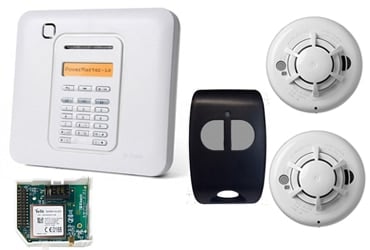
Modern alarm systems can include a combination of sensors and devices, such as:
- Door and window contacts
- PIR motion detectors
- Shock sensors
- External and internal sounders
- Panic buttons
- Smoke or other environmental detectors
- Remote key fobs
- Keypads
- Mobile and app-based controls
- Alarm signalling and monitoring equipment
When the system is armed, its sensors monitor designated areas of the property. If a protected door is opened, movement is detected or another programmed event occurs, the alarm can activate according to its configuration.
For London properties, the system should be designed around the building rather than simply installing a standard package. A terraced house, detached property, flat, office and retail premises can all have very different security requirements.
Wired vs Wireless Alarm Systems
One of the first decisions when choosing an intruder alarm is whether a wired, wireless or hybrid system is most suitable.
Wired Burglar Alarms
Wired systems use physical cables to connect detectors and other devices to the alarm control panel.
They can be particularly suitable for properties where cabling can be installed discreetly or where an existing wired alarm system is being upgraded. Wired systems can also be a practical choice for larger commercial installations where numerous devices are required.
However, installing cables in an occupied property can sometimes involve additional disruption, particularly in buildings where access to walls, ceilings or floor spaces is restricted.
Wireless Alarm Systems
Wireless alarms communicate between detectors and the control panel using secure wireless communication rather than conventional cabling.
This can make wireless systems attractive for:
- Existing homes
- Flats and apartments
- Period properties
- Rented properties
- Offices where minimal disruption is preferred
- Buildings where installing new cables is difficult
Modern wireless alarm technology has developed considerably, with improved communication range, battery performance and system functionality.
Wireless does not necessarily mean less secure. The quality of the equipment, installation, configuration and ongoing maintenance all have an important role in the overall effectiveness of the system.
Hybrid Alarm Systems
A hybrid alarm combines wired and wireless devices within the same security system.
This can be useful when a property already has some existing alarm wiring but additional areas need to be protected without extensive new cabling. Hybrid technology can therefore provide flexibility when upgrading an older alarm installation.
How Do Burglar and Wireless Alarms Work?
Most intruder alarm systems operate using a control panel connected to multiple detection devices.
For example, door contacts can monitor frequently used entrance points, while PIR detectors can identify movement within internal areas.
Depending on the property and system design, detectors may be positioned around:
- Front and rear doors
- Accessible windows
- Hallways
- Stairways
- Garages
- Conservatories
- Reception areas
- Offices
- Warehouses
- Retail areas
When the alarm is armed, the system monitors the selected zones. If a detector is triggered, the control panel processes the signal and activates the appropriate response.
This may include an internal sounder, external siren, notification through an app or alarm transmission to a monitoring centre, depending on the system installed.
What Are the Benefits of a Wireless Alarm?
Wireless alarms can provide several practical benefits for London homeowners and businesses.
1. Flexible Installation
Wireless detectors can often be installed without running extensive cables throughout the property. This can be particularly useful in finished buildings where disruptive installation work is undesirable.
2. Easier Expansion
Many modern wireless systems can accommodate additional detectors and accessories, allowing security to be expanded when the property’s requirements change.
3. Remote Control
Depending on the alarm manufacturer and communication options, users may be able to arm, disarm or check aspects of their system remotely using a smartphone application.
4. Protection for More Areas
Wireless technology can make it easier to protect locations where installing traditional cabling would be difficult, such as detached garages, extensions or outbuildings.
5. Modern Security Features
Many current alarm platforms offer features beyond basic intrusion detection, including user management, event notifications, remote diagnostics and integration with other security equipment.
Wireless Alarm Batteries and Maintenance
One important difference between wired and wireless alarm systems is the reliance on batteries within wireless devices.
Batteries do not last indefinitely and should be checked and replaced according to the manufacturer’s recommendations. A low battery can result in warning messages, reduced reliability or eventually prevent a detector from operating correctly.
Regular alarm servicing can help identify:
- Low detector batteries
- Fault conditions
- Communication problems
- Damaged detectors
- Sounder issues
- Power supply problems
- Backup battery deterioration
- Incorrect date and time settings
- Other system faults
Professional maintenance is particularly important for businesses and properties that depend on their alarm system for continuous protection.
Should You Add CCTV to Your Alarm System?
An intruder alarm and CCTV system can complement each other effectively.
An alarm is primarily designed to detect and alert you to an intrusion, while CCTV can provide visual verification of activity around the property.
For example, CCTV can help monitor:
- Driveways and entrances
- Front and rear gardens
- Commercial entrances
- Car parks
- Warehouses
- Reception areas
- External access points
Modern CCTV systems can also provide remote viewing through smartphones and other connected devices, depending on the equipment and installation.
Combining CCTV, intruder alarms, access control and appropriate physical security can create a more comprehensive security strategy for homes and businesses.
Choosing the Right Alarm for Your London Property
There is no single alarm system that is suitable for every property.
When selecting an alarm, consider:
Property size: Larger properties may require more detection zones and additional sounders or devices.
Type of property: A flat, house, office, shop or warehouse will have different security requirements.
Existing wiring: Existing alarm cabling may make a wired or hybrid system appropriate.
Future expansion: Consider whether you may want to add additional detectors, CCTV, access control or other security devices later.
Remote access: If you travel frequently or manage a property remotely, app-based control and notifications may be useful.
Alarm monitoring: Businesses and higher-risk properties may benefit from professional alarm monitoring and signalling.
Professional installation: Correct positioning, configuration and testing are essential to ensure the system performs as intended.
Why Professional Alarm Installation Matters
Buying an alarm system is only part of protecting a property. Incorrect detector positioning, poor configuration or inadequate coverage can create security weaknesses.
A professional security installer can assess the property, identify vulnerable access points and recommend an alarm configuration appropriate to the building.
Professional installation can also help reduce false alarms by ensuring detectors are correctly positioned and the system is properly programmed.
For older alarm systems, servicing may be a better option than immediately replacing the entire installation. An experienced engineer can assess the condition of the existing equipment and determine whether it can be repaired, upgraded or integrated with newer security technology.
Burglar Alarm Installation and Servicing in London and the Home Counties
Whether you are looking for a new wireless alarm for your home, upgrading an existing intruder alarm or maintaining a commercial security system, professional advice can help you make the right decision.
Eagle Security Solutions provides burglar alarm installation, servicing, maintenance and security solutions for residential and commercial properties in London and the Home Counties.
From wired and wireless intruder alarms to CCTV, access control and alarm monitoring, a properly designed security system can provide a stronger and more reliable approach to protecting your property.
Looking for a burglar or wireless alarm in London or the Home Counties? Contact Eagle Security Solutions to discuss your property and security requirements and arrange a professional assessment.