
How to Select a CCTV System That Truly Protects Your Business

1. Start with a Security Risk Assessment
Every business faces different security challenges. Some need to monitor customer-facing areas, while others require coverage of stockrooms, loading bays, parking facilities, or restricted-access zones.
Begin by identifying:
- Areas vulnerable to theft or vandalism
- Entry and exit points
- Locations with valuable assets or sensitive information
- Blind spots around the property
Understanding these risks will help determine the number of cameras required, the ideal camera locations, and the type of system best suited to your premises.
2. Match Camera Technology to the Environment
Not all cameras are designed for the same purpose. Selecting the appropriate technology ensures maximum coverage and effectiveness.
For example:
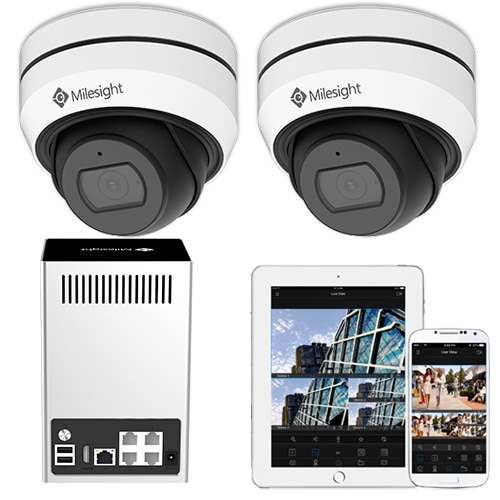
- Dome cameras are ideal for indoor environments such as offices, reception areas, and retail spaces.
- Bullet cameras offer long-range visibility and are commonly used for perimeter and outdoor monitoring.
- PTZ (Pan-Tilt-Zoom) cameras provide flexible surveillance by allowing operators to remotely adjust viewing angles and zoom levels.
- Wireless cameras can simplify installation where running cables is difficult or costly.
Choosing the right combination of camera types creates a more comprehensive security network.
3. Prioritize Image Quality
The value of CCTV footage depends on what you can actually see in it. Grainy or low-quality recordings may fail to identify individuals, vehicles, or important events.
Modern businesses should consider high-definition surveillance as a minimum standard. Full HD cameras deliver clear, reliable footage for most applications, while ultra-high-definition systems can provide additional detail in areas where identification is critical.
When evaluating image quality, remember that higher resolutions often require greater storage capacity and network bandwidth.
4. Ensure Reliable Performance Around the Clock
Security threats do not follow business hours. A CCTV system must perform effectively during evenings, overnight periods, and in challenging lighting conditions.
Look for features such as:
- Infrared night vision
- Wide dynamic range (WDR)
- Advanced low-light imaging
- Automatic light adjustment
These capabilities help maintain clear and usable footage regardless of environmental conditions, ensuring continuous protection throughout the day and night.
5. Choose a System That Keeps You Connected
Modern CCTV solutions offer much more than recording footage. Remote monitoring capabilities allow business owners and managers to stay informed from virtually anywhere.
Features worth considering include:
- Live viewing through mobile devices
- Remote playback of recorded footage
- Motion detection alerts
- Instant notifications for suspicious activity
- Cloud-based access and storage options
Having real-time visibility into your premises enables faster responses to potential security incidents and provides greater peace of mind.
Protecting Your Business Starts with the Right Surveillance Solution
Selecting a CCTV system is an investment in the safety of your people, property, and operations. By assessing risks, choosing appropriate camera technology, focusing on image quality, ensuring 24/7 performance, and leveraging remote monitoring capabilities, you can build a security solution that meets both current and future needs.
If you’re unsure which system is right for your business, professional guidance can help you design a tailored solution that delivers reliable protection and long-term value.